Daily vision support
VisiFlora: all four carotenoids for everyday eye support
Most eye formulas carry one carotenoid and a long vitamin list behind it. This one leads with all four of the pigments the eye actually concentrates, which is a different starting point and the reason it is worth looking at closely.
- 21 named ingredients
- 4 carotenoids
- Marigold-sourced
- One daily serving
- 60-day guarantee
From $49 a bottle · free US shipping on 3 and 6 bottles · 60-day money-back guarantee

- 60-day money-back guarantee
- Free US shipping on 3 and 6 bottles
- All four macular carotenoids
- No stimulants
What VisiFlora is
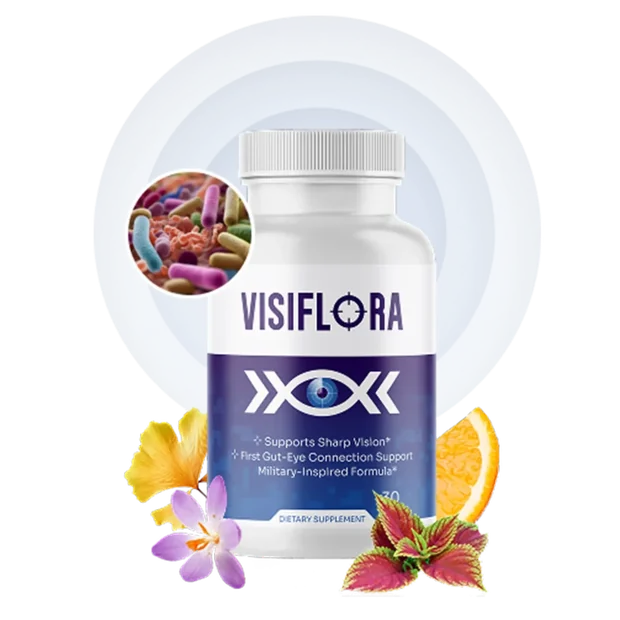
VisiFlora is a daily eye-health supplement whose label names 21 separate ingredients. What distinguishes it from most of the category is the front of that list: all four carotenoids the eye concentrates — lutein, zeaxanthin, meso-zeaxanthin and astaxanthin — rather than one or two with a vitamin blend behind them. Behind the carotenoids sit botanical extracts, flavonoid compounds and a vitamin and mineral base.
- All four carotenoids
Lutein and zeaxanthin are the pair most formulas stop at. Meso-zeaxanthin and astaxanthin complete the set the retina actually works with.
- Marigold-sourced pigments
Where essentially all commercial lutein and zeaxanthin comes from, because marigold petals are the densest source available at scale.
- A botanical layer
Bilberry, saffron, ginkgo and eyebright, each with a long history of traditional use in this specific area.
- Antioxidant support
Quercetin, rutin, lycopene, grape seed and alpha lipoic acid sit alongside the pigments rather than replacing them.
- A mineral base
Zinc with copper, plus selenium and vitamin A. The copper pairing matters whenever zinc is present at a meaningful amount.
- One serving a day
No split dosing to remember, which makes it easier to attach to a meal — and with carotenoids, the meal is the point.
Take it with fat, or waste part of it
This is the single most useful thing to know about any carotenoid formula, and almost nobody is told it at the point of purchase. Lutein, zeaxanthin, meso-zeaxanthin and astaxanthin are all fat-soluble. Taken with water on an empty stomach, a meaningful share of what you paid for passes through. Taken alongside a meal containing some fat — eggs, oily fish, olive oil, avocado, or simply the fat already in a normal cooked dinner — uptake rises considerably. It costs nothing, requires no change of product, and makes more difference than most of the decisions people agonise over.
Why four rather than two
Lutein and zeaxanthin are the pair with the deepest research base, and they are what most formulas and most trials use. Meso-zeaxanthin is the third pigment found at the very centre of the macula, which the body makes from lutein in the retina; supplying it directly is the argument for including it. Astaxanthin is a red carotenoid from microalgae with its own separate literature. Including all four is a fuller approach than the standard pair, and it is also, honestly, a less heavily studied one as a combination.
The timescale is seasonal, not weekly
Macular pigment density, the marker researchers actually measure, typically begins shifting after eight to twelve weeks of daily intake and keeps rising for around six months before levelling off. Nothing about this category moves quickly, and any product promising a change within days is describing something other than carotenoid accumulation.
What's inside
Twenty-one named ingredients. Worth knowing before you read the label: the seller publishes an amount for only one of them, so the rest cannot be compared against research doses.
- Macular carotenoidLutein
One of the two pigments that accumulate in the macula, and the most studied single nutrient in this entire category. Sourced commercially from marigold petals.
- Macular carotenoidZeaxanthin
Lutein's partner pigment, concentrated more tightly at the very centre of the macula where lutein is spread more broadly. The two occur together and function together.
- Macular carotenoidMeso-zeaxanthin
The third central pigment, which the retina produces by converting lutein. Supplying it directly saves that conversion step, which is the reasoning behind including it.
- CarotenoidAstaxanthin
A red carotenoid from microalgae, carrying its own research literature separate from the macular pair and included here as the fourth member of the set.
- BotanicalBilberry
The botanical with the longest traditional association with vision of anything on this label, and a reliable presence in eye formulas for decades.
- BotanicalSaffron
An unusual and expensive inclusion, and one of the few botanicals in this space with dedicated study behind its use rather than tradition alone.
- Mineral baseZinc with copper
Zinc appears in most eye formulas; copper alongside it is the part that is often missing. Sustained high zinc without copper can drive a copper deficiency, so the pairing matters.
How to take it
- Take it with your largest mealThe carotenoids here are fat-soluble, so a meal containing some fat raises how much actually reaches you. This is free and it matters more than brand choice.
- Pick the same meal every dayAttaching the habit to something you already do without thinking is the most reliable way to stay consistent across the months this needs.
- Add up your other supplements firstZinc and vitamin A appear in plenty of multivitamins. Total what you are already taking before assuming a new formula is additive rather than excessive.
- Give it a full seasonObjective markers start moving at eight to twelve weeks and keep going for about six months. Judging this at four weeks tells you nothing at all.
- Pair it with screen habitsA distance break every twenty minutes or so, and a screen no brighter than the wall behind it. Nutrition and behaviour address different parts of the same complaint.
Choose your package
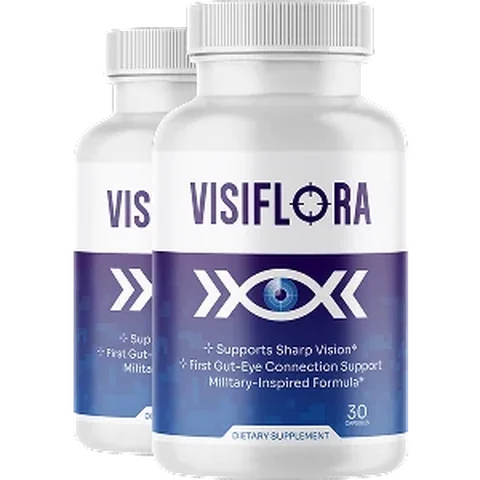
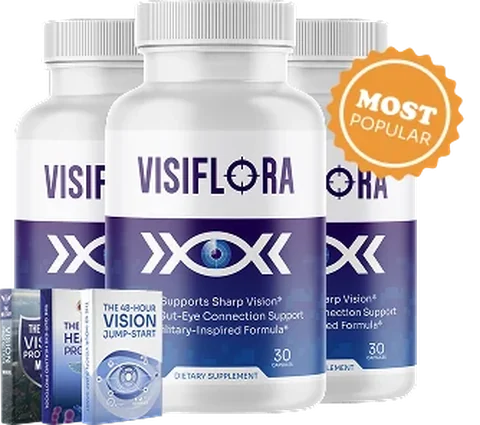
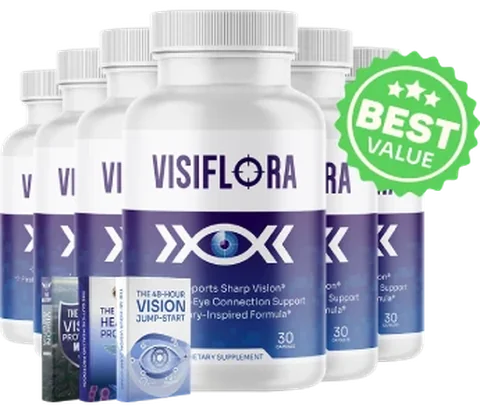
Three packages. The three and six-bottle options ship free within the US; the two-bottle option carries a shipping charge.
Prices verified October 2026. Confirm at checkout before ordering.
| Package | Per bottle | Order total | Shipping | Days covered | Per day |
|---|---|---|---|---|---|
| 2 bottles | $79 | $158 | varies | 60 | — |
| 3 bottles | $59 | $177 | Free | 90 | $1.97 |
| 6 bottles | $49 | $294 | Free | 180 | $1.63 |
The 60-day guarantee
60 days, counted from the date of purchase
The seller offers a 60-day money-back guarantee counted from purchase. That is worth reading alongside the timescale above, because the two do not line up neatly: the window closes at roughly the point the biology starts producing measurable change.
The practical consequence is that your refund decision will be based on how you feel rather than on a settled result. Diarise the deadline when the parcel arrives, and treat the six-week mark as the point to make a call rather than waiting for certainty that will not arrive in time.
Full detail on the refunds and guarantee page.
Before you start
Eye supplements are well tolerated and nothing here is stimulant-like. The points worth noting are about stacking rather than about the formula itself, plus one boundary that matters more than anything on the label.
- Count your total zinc and vitamin A across every supplement you take. Both appear in ordinary multivitamins and both have upper limits worth respecting.
- Ginkgo has genuine antiplatelet activity. If you take warfarin, clopidogrel or regular aspirin, or have surgery scheduled, raise this with your doctor or pharmacist.
- Take it with food containing fat rather than on an empty stomach, for the reason set out above.
- Sudden floaters, flashes of light or a shadow across your vision is a same-day call to an eye doctor, not a supplement question. Those can signal a retinal tear.
Frequently asked questions
Should I take it with food?
Yes, and specifically with a meal containing some fat. All four carotenoids here are fat-soluble, so taking them with water on an empty stomach wastes a real share of what you paid for. Any ordinary cooked meal has enough fat to do the job; it does not need to be a lot.
Is marigold-sourced lutein as good as lutein from food?
Functionally it behaves identically. Nearly all supplemental lutein and zeaxanthin is extracted from marigold petals because they are the richest commercial source, and the molecule reaching your retina is the same one you would get from kale or egg yolk. The body does not distinguish the origin.
How long before I notice anything?
Plan on a season rather than a month. Macular pigment density begins shifting after eight to twelve weeks and continues for roughly six months before plateauing. Trials reporting subjective change, such as less time recovering from glare, generally run three to six months.
Does the label say how much of each ingredient it contains?
Only for one of them. Twenty-one ingredients are named and a single amount is published, which means the rest cannot be measured against any research dose. That is worth knowing if you like to compare labels in detail, and it is the main limitation of this formula on paper.
What is meso-zeaxanthin and do I need it separately?
It is the third carotenoid found at the centre of the macula, and your retina makes it by converting lutein. Some formulas supply it directly on the theory that this saves a conversion step. The research base is thinner than for lutein and zeaxanthin, so treat it as a reasonable addition rather than a requirement.
Can I take it alongside a multivitamin?
Usually, but add up the overlapping nutrients first. Zinc, vitamin A, selenium and copper all appear in ordinary multivitamins, and doubling up matters more for those than for the carotenoids. If the totals look high, a pharmacist will tell you in a two-minute conversation.
Will it help with dry eyes?
Dry eye is primarily an oil-film and tear-quality problem rather than a pigment one, which means carotenoids are not the lever that addresses it directly. Omega-3 intake and lid hygiene tend to matter more for that specific complaint.
Is this the same as the AREDS formula?
No, and it is worth being clear about. AREDS and AREDS2 were specific formulations tested in people who already had age-related macular degeneration. This shares some ingredients but is not that formulation and was not that trial. If a clinician has recommended an AREDS formula to you, take the label to them rather than substituting.
Ready to try VisiFlora?
From $49 a bottle on the six-bottle package, with free US shipping on the three and six-bottle options and 60 days to change your mind.
Check official pricingPrices and bundle contents are set by the seller and can change.